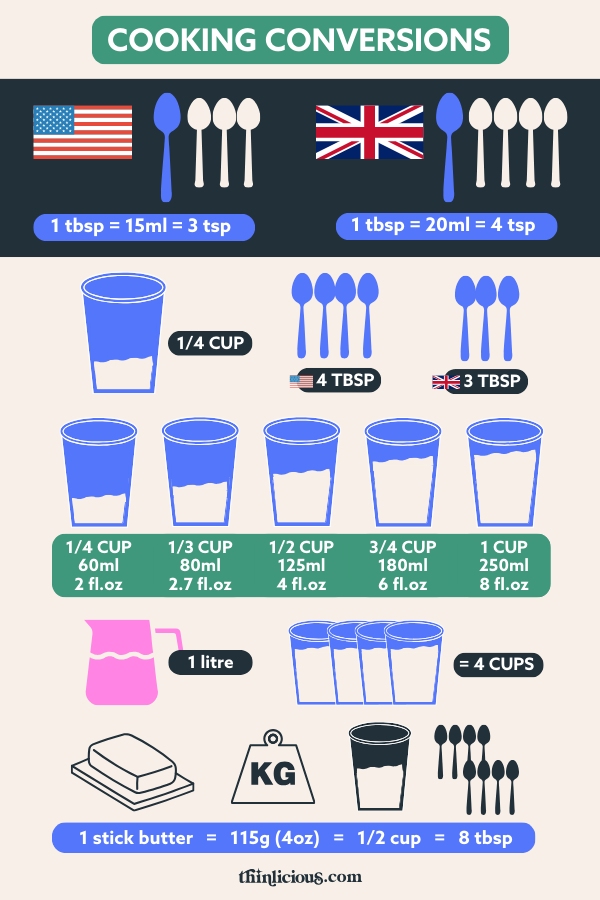
Cooking and baking often require ingredient measurements that can lead to confusion, especially when converting between different units. A common question that arises is how to convert 4 tablespoons to oz. Knowing this measurement is crucial for precise cooking, ensuring your dishes turn out perfectly every time.
In the realm of culinary calculations, understanding the conversion of tablespoons to ounces is particularly useful. When you need to measure ingredients for a recipe, the exact amount can influence the final product's flavor and texture. A straightforward conversion helps maintain consistency in your cooking routines, which is essential for both novice cooks and experienced chefs alike.
Conversion Basics
To convert 4 tablespoons to ounces, it's important to remember that there are 2 tablespoons in a fluid ounce. Therefore, if you multiply the number of tablespoons by the conversion factor, you'll get the equivalent measurement in ounces. In this case, 4 tablespoons multiplied by 1/2 equals 2 ounces. This simple calculation assists in maintaining accuracy during food preparation, particularly when scaling recipes up or down.
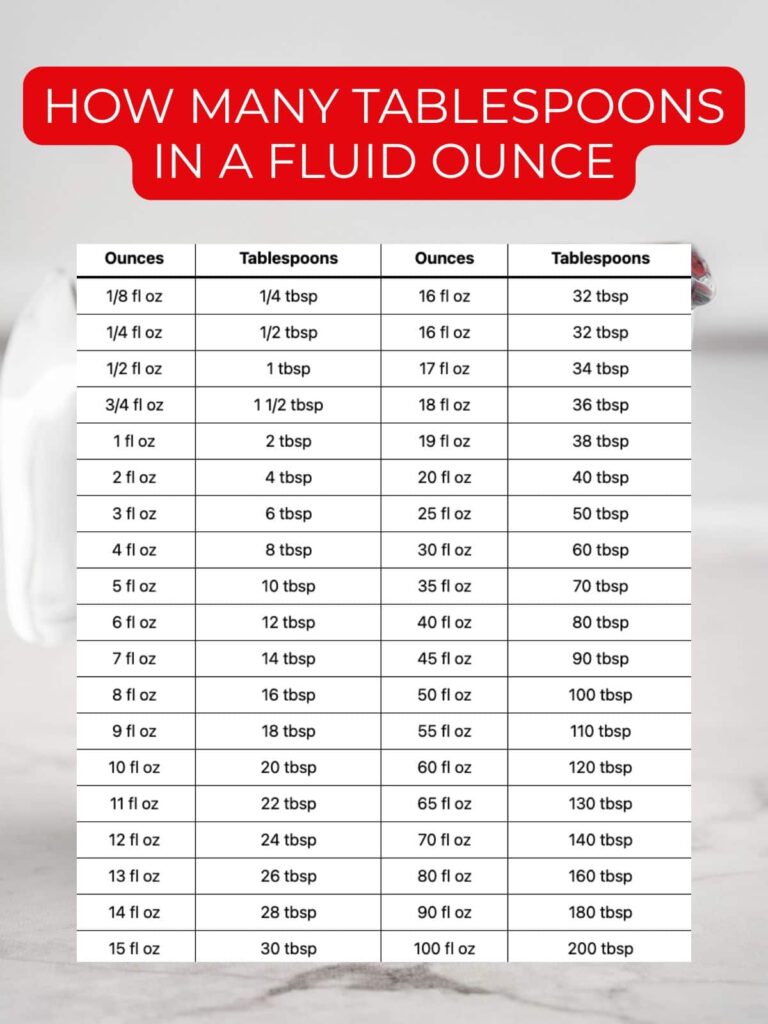
Using this knowledge means that the next time you encounter a recipe calling for ounces, you can quickly convert it to tablespoons or vice versa. This skill is not just helpful in the kitchen; it also encourages organized meal planning. Keeping a conversion chart handy can streamline the cooking process, making it easier to switch between different measurement systems and enhancing your efficiency in the kitchen.
Practical Applications
In practice, the conversion from 4 tablespoons to ounces can also support your meal prep routines. By understanding how to measure ingredients correctly, you can ensure that your meals are both delicious and nutritionally balanced. This is especially important for those following specific dietary plans, where precise measurements play a crucial role in achieving desired results, such as weight loss or nutritional goals.
In addition, consider incorporating this measurement knowledge into DIY activities like homemade sauces or dressings. Being able to adjust recipes by converting measurements allows for creativity while ensuring the outcome is consistent. Therefore, having a reliable measurement conversion in mind can empower you to modify recipes without hesitation, adding a personal touch to your culinary endeavors.
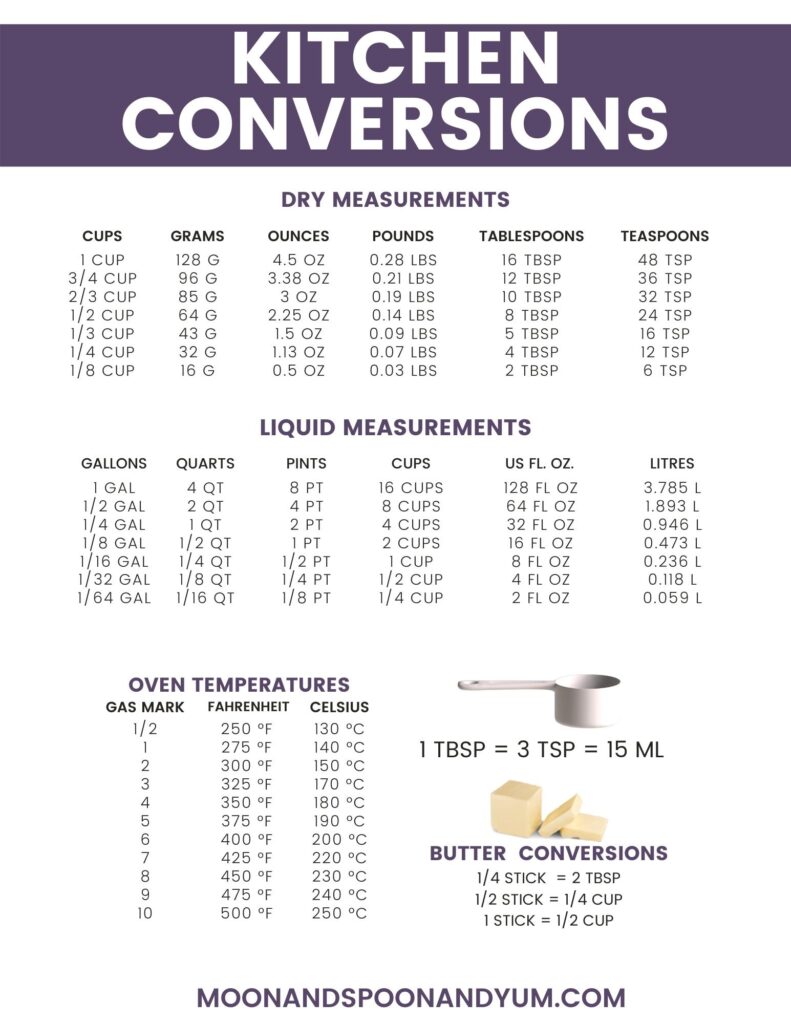
Finally, for educators and classroom organizers, sharing this conversion knowledge could be crucial during cooking-related lessons or activities. Projects that involve measuring can benefit from clear instruction on converting units, preparing students for real-world cooking scenarios. By fostering an environment where these practical math skills are employed, we build a foundation for students to become more confident, organized, and effective in the kitchen.